
INSIDE OUR FACTORY · PRINTING DEPARTMENT
Digital Sublimation Printing for Custom Sportswear
Your artwork. Printed on paper. Transferred into polyester.
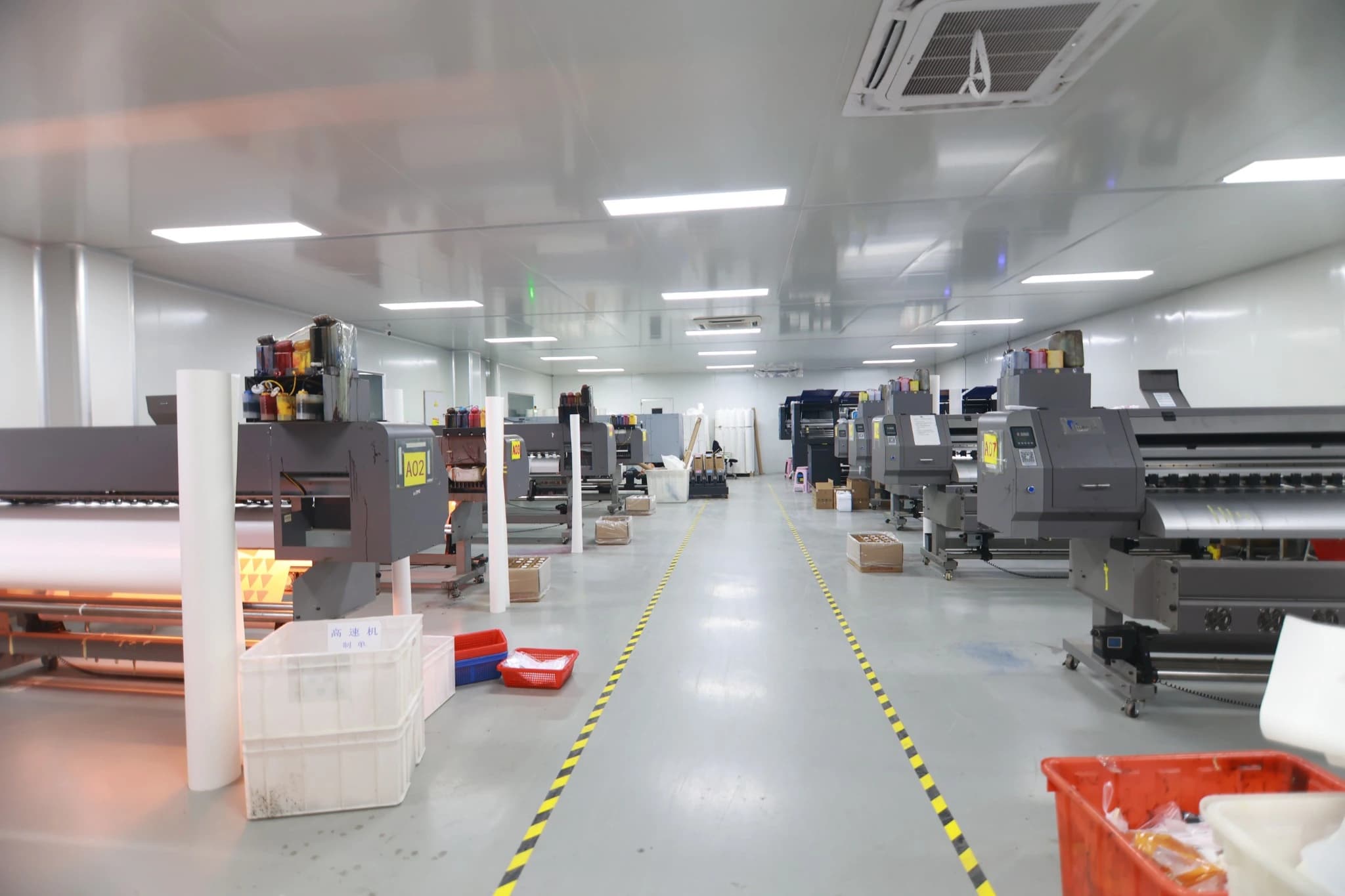
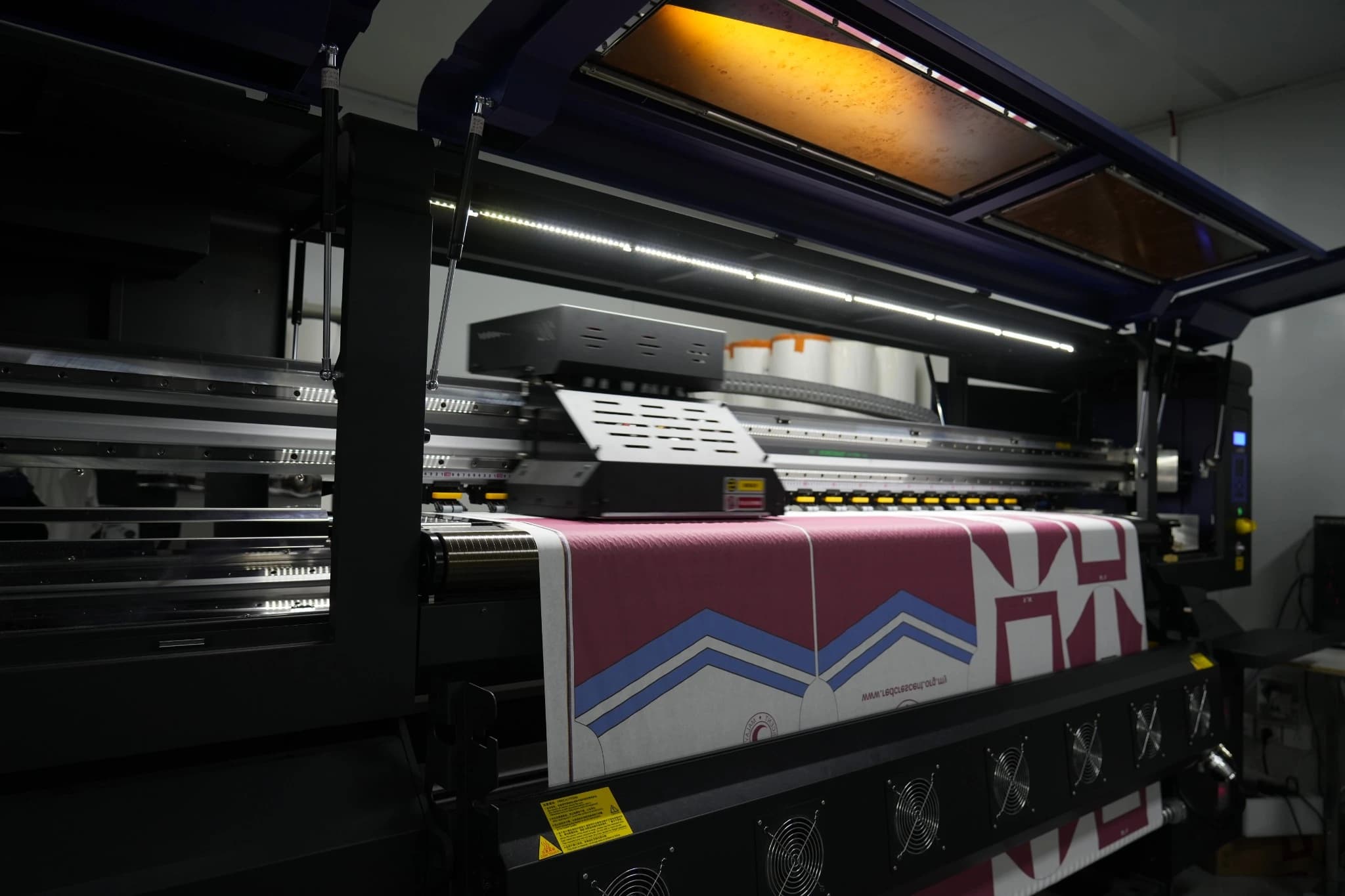
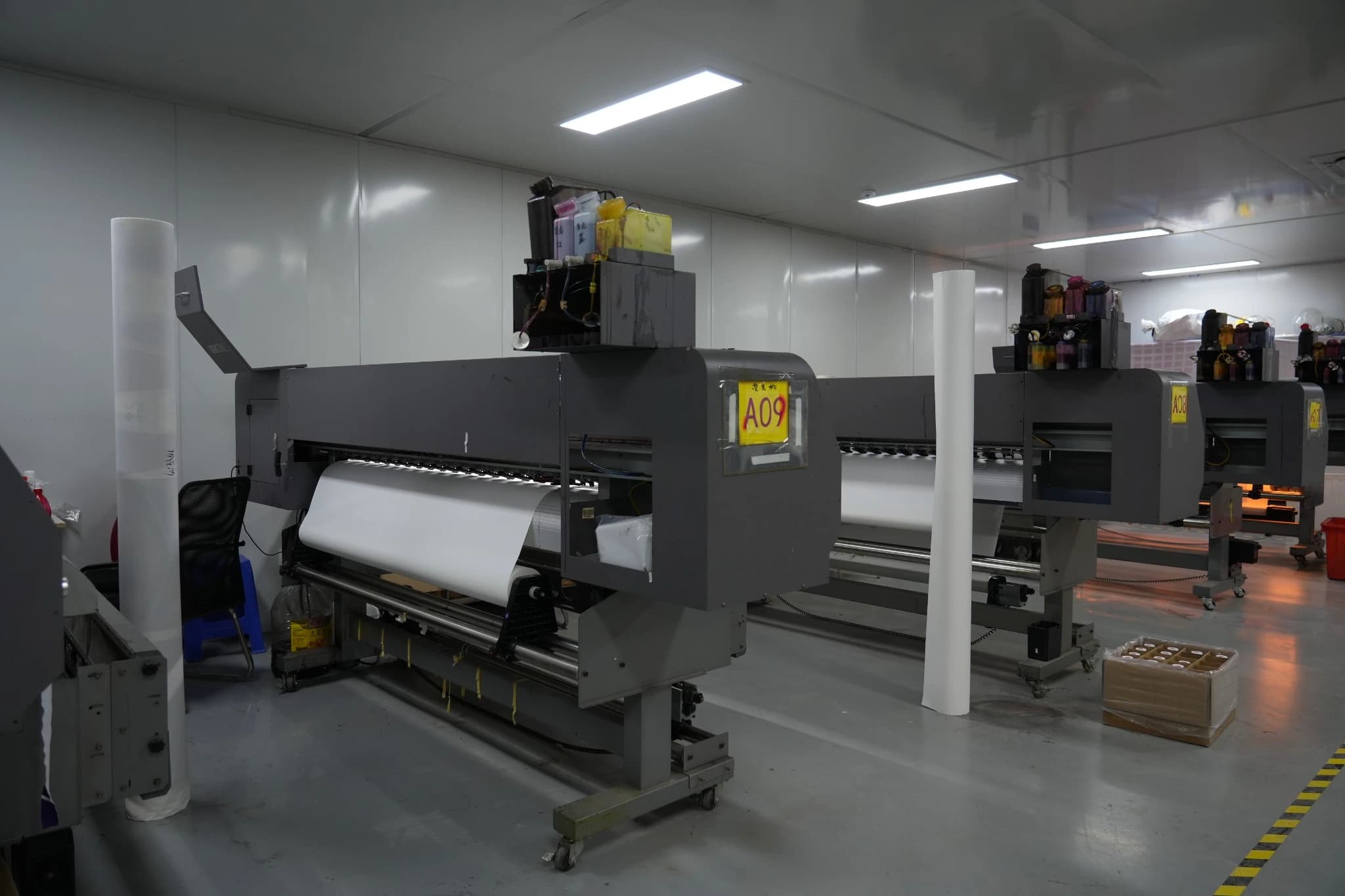
At TONTON’s Xiantao production base, our in-house industrial roll-to-roll printing equipment outputs full-color designs, team logos, player names and numbers onto sublimation transfer paper. Separate heat-transfer equipment brings the design onto the selected polyester fabric.
01 / EQUIPMENT & OUTPUT
From digital design to continuous printed paper
The printer handles image output. Roller heat transfer, cutting, sewing and embroidery are separate operations in the garment production route.
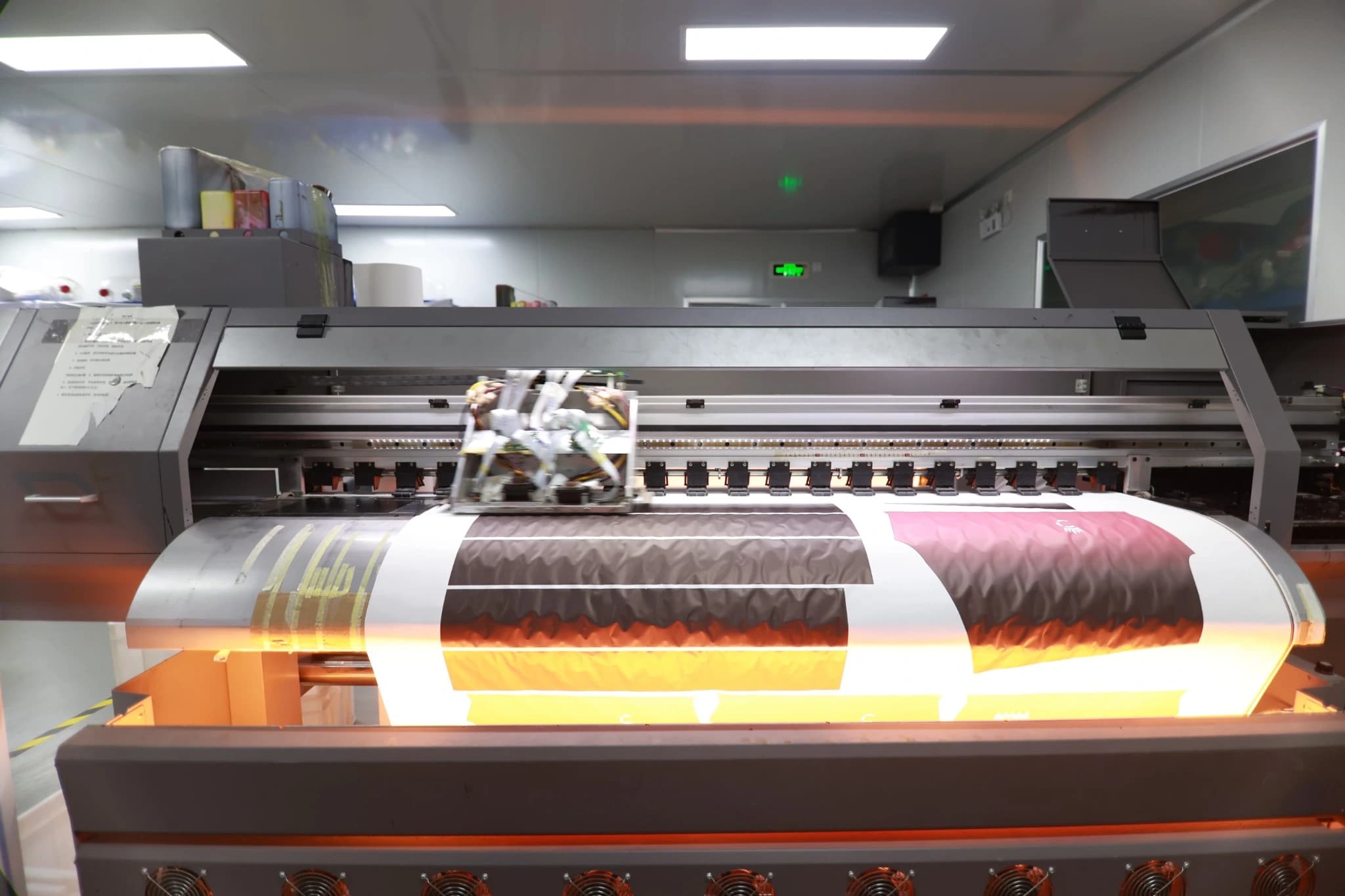
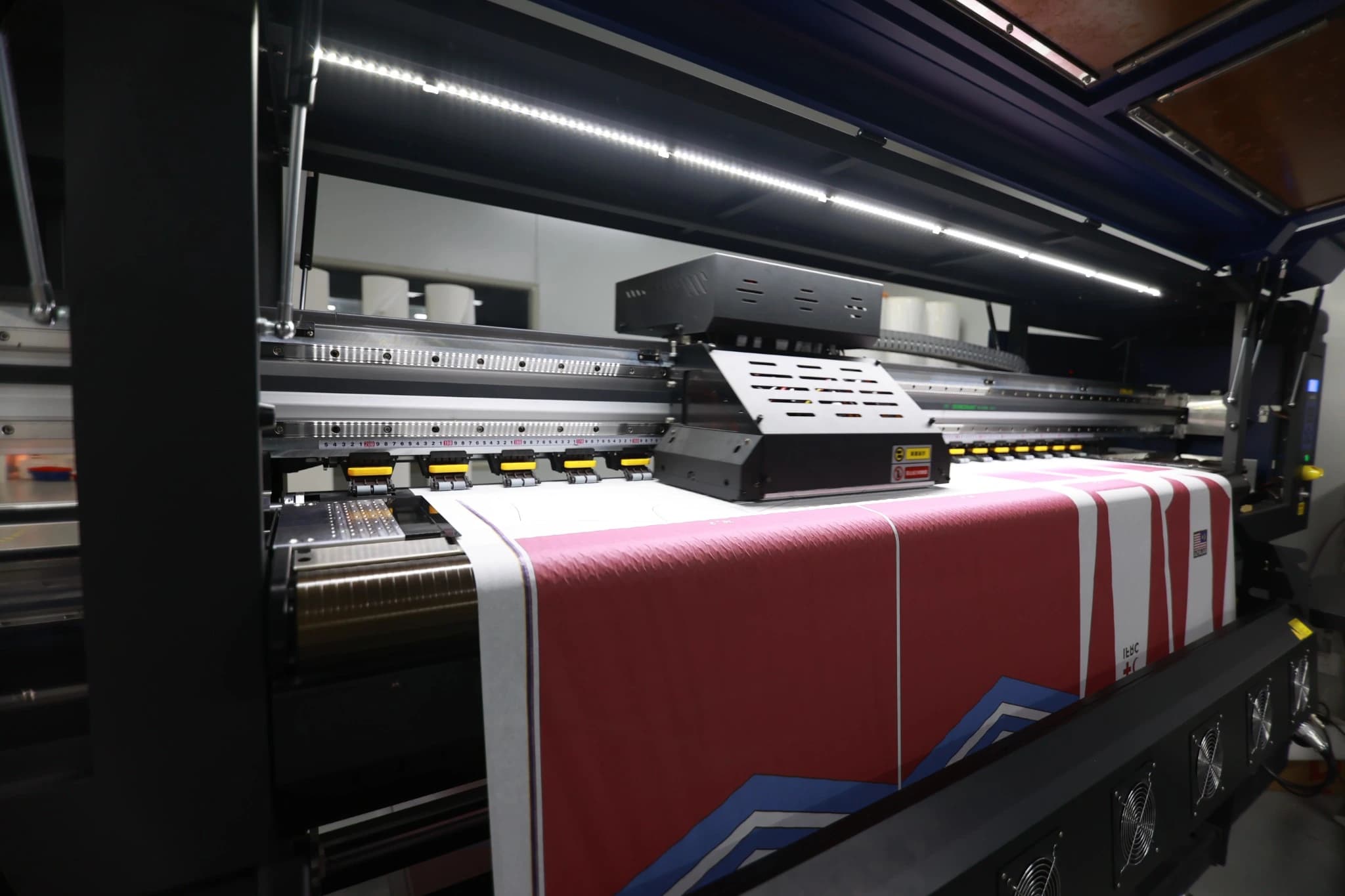
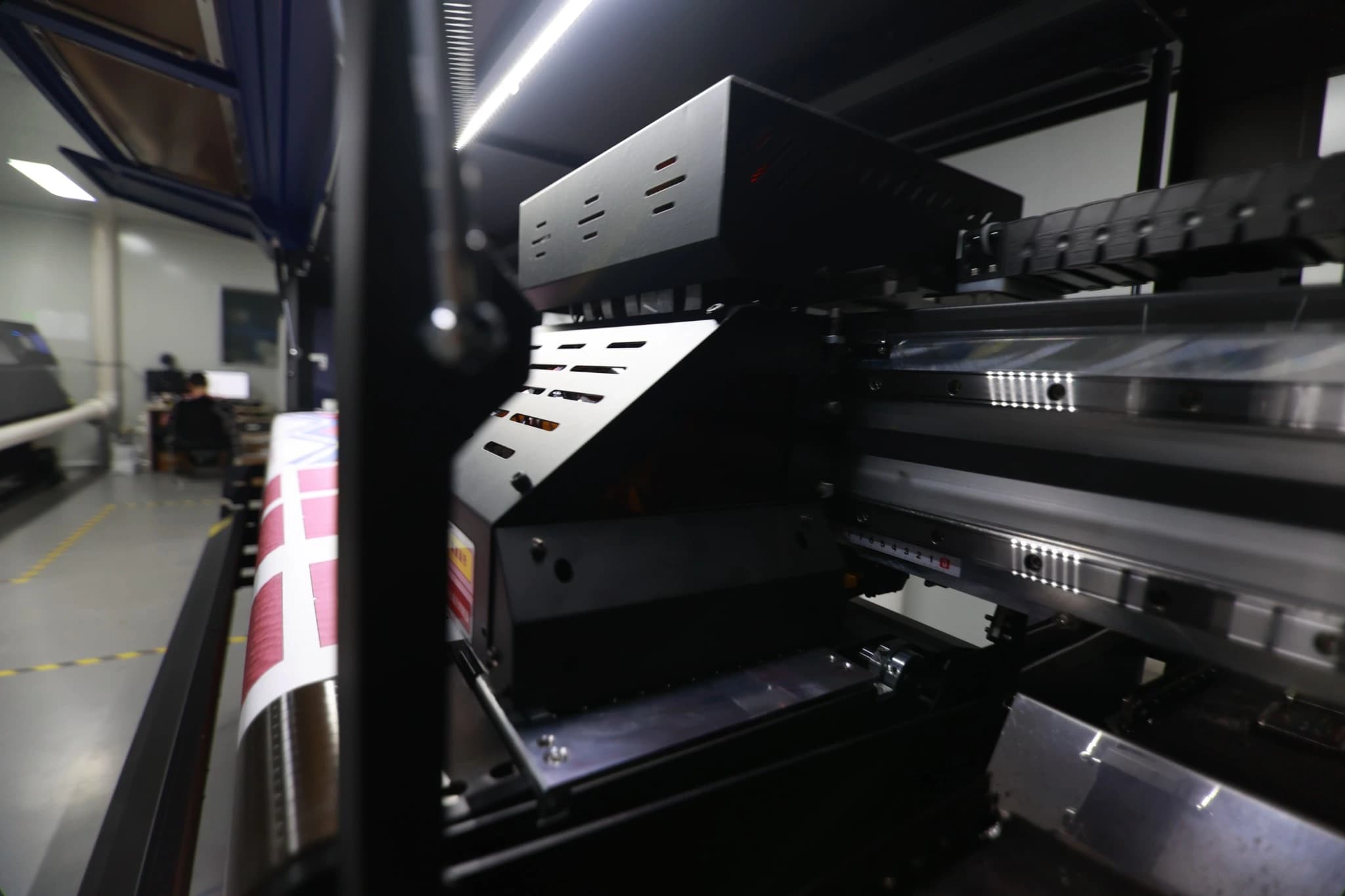
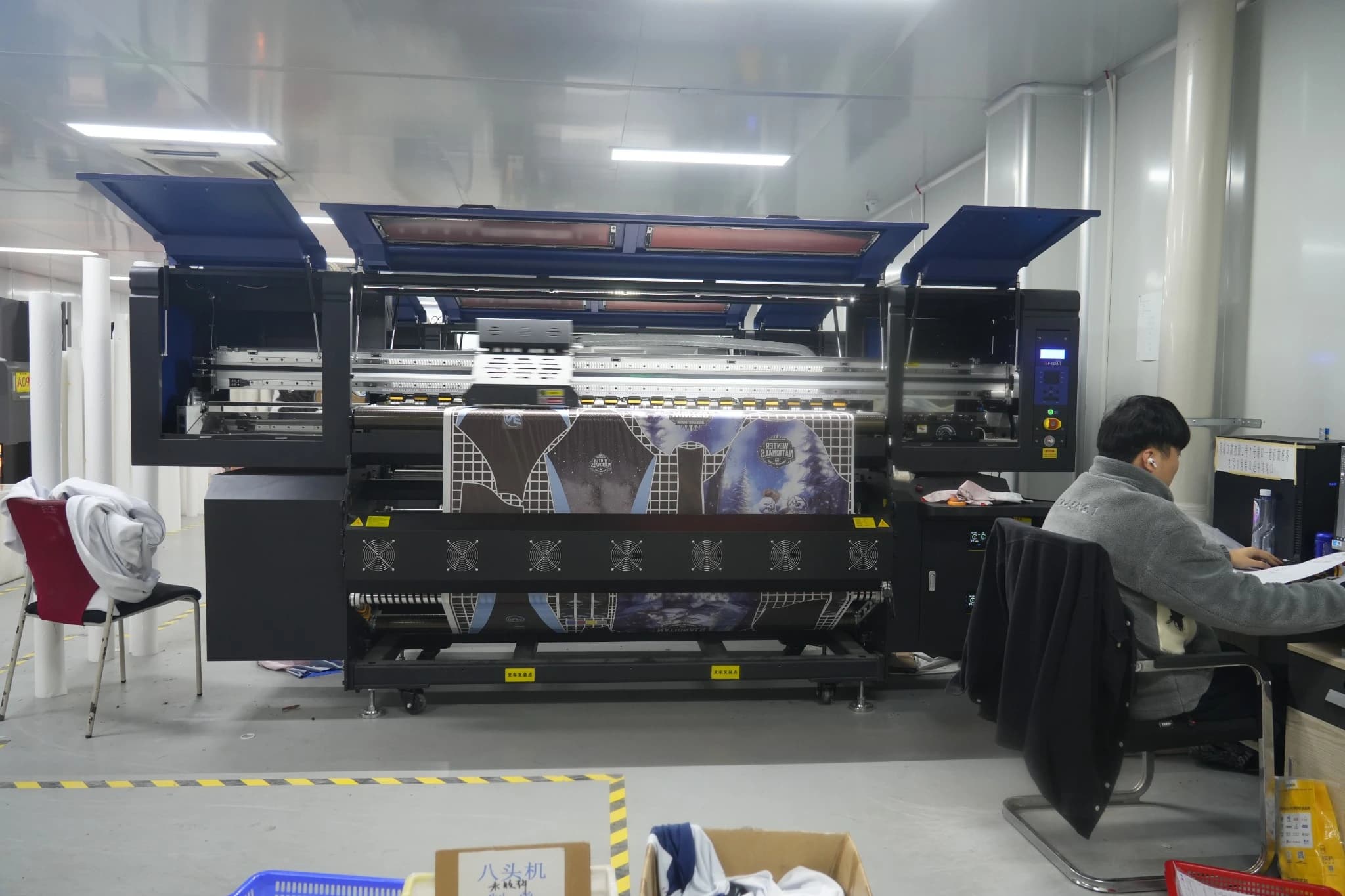
Actual workshop photographs. Ask our team for equipment details relevant to your project.
02 / REAL WORKSHOP FOOTAGE
Watch the printing stage in action
Three short views of equipment operation and printed output. These clips show paper printing; they do not show the separate roller heat-transfer stage.
Names, numbers & panel artwork
Numbered sportswear artwork moving through the roll-to-roll printing stage.
Open video →Printhead movement & paper feed
A close view of the printer carriage and continuous printed output.
Open video →Printing equipment in operation
A wider operating view of the printer and printed sportswear graphics.
Open video →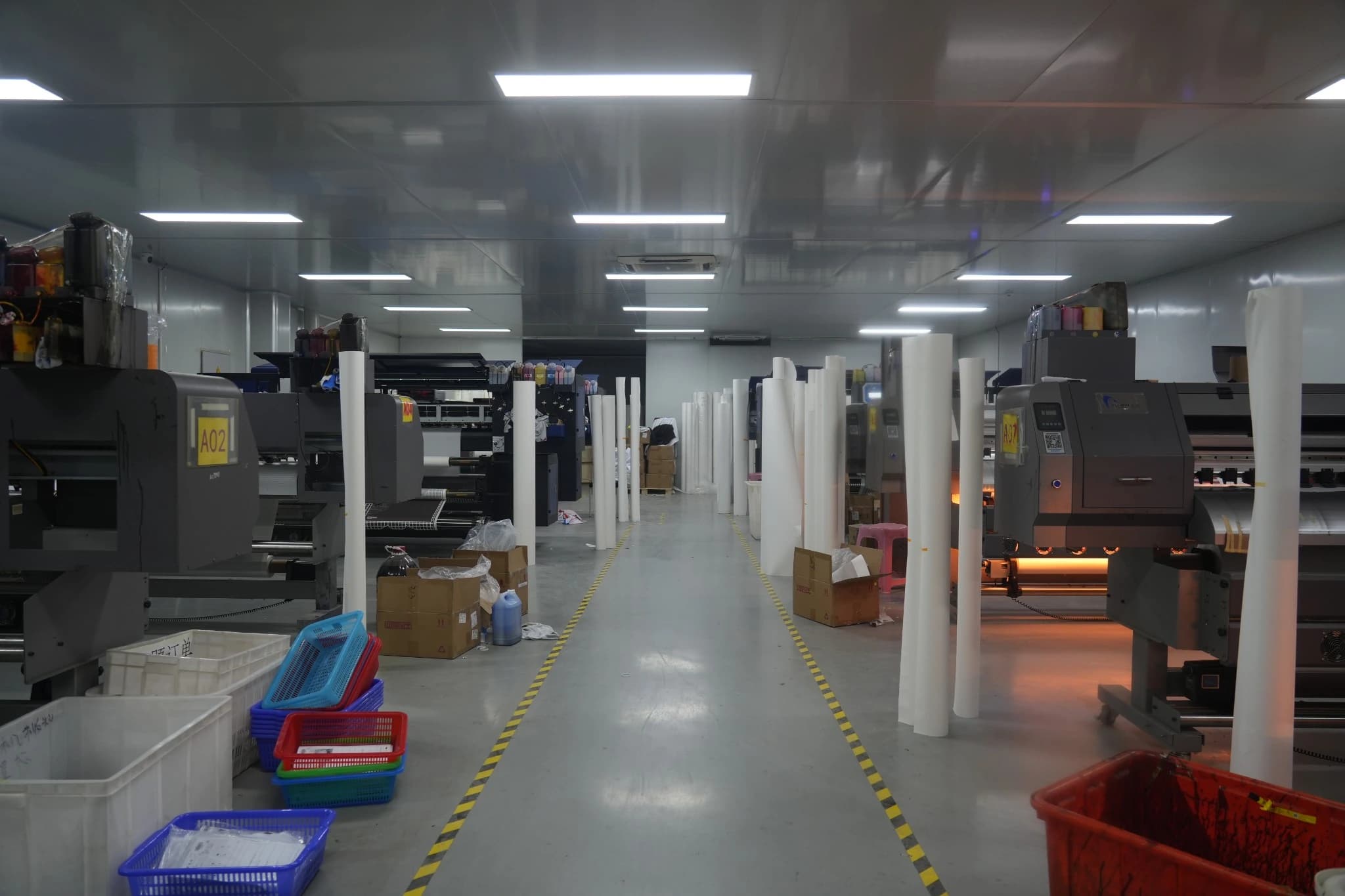
03 / PRINTING TO GARMENT
How the sublimation production route works
Digital artwork → transfer-paper printing → roller heat transfer to polyester → cutting → sewing and inspection.
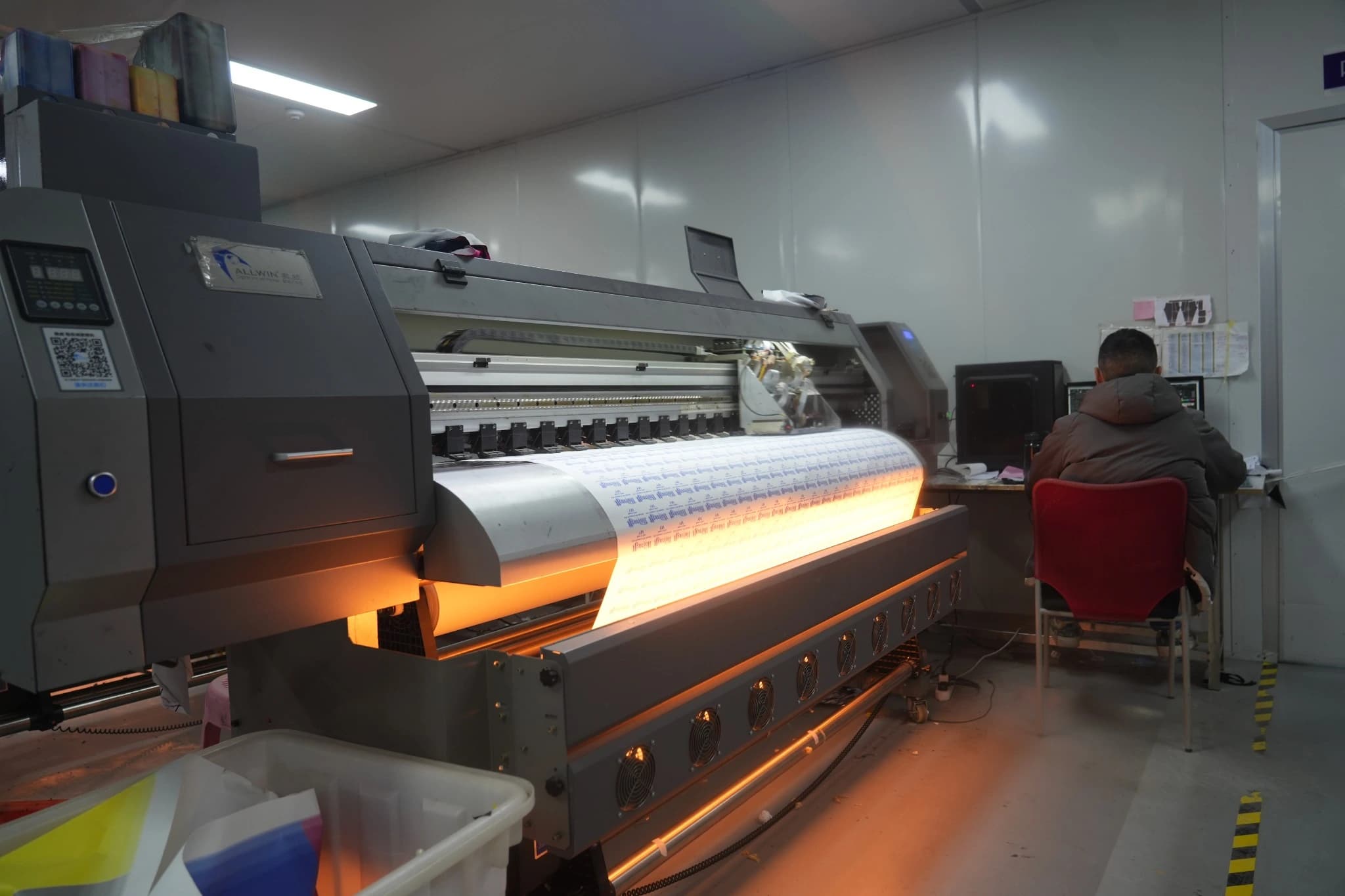
01–02 / APPROVE & PRINT
Confirm the artwork, then print to paper
Approve the design version, logos, roster and size allocation. The printer outputs the garment artwork onto sublimation transfer paper.
The printed roll is an intermediate output; final color approval happens after transfer to the selected fabric.
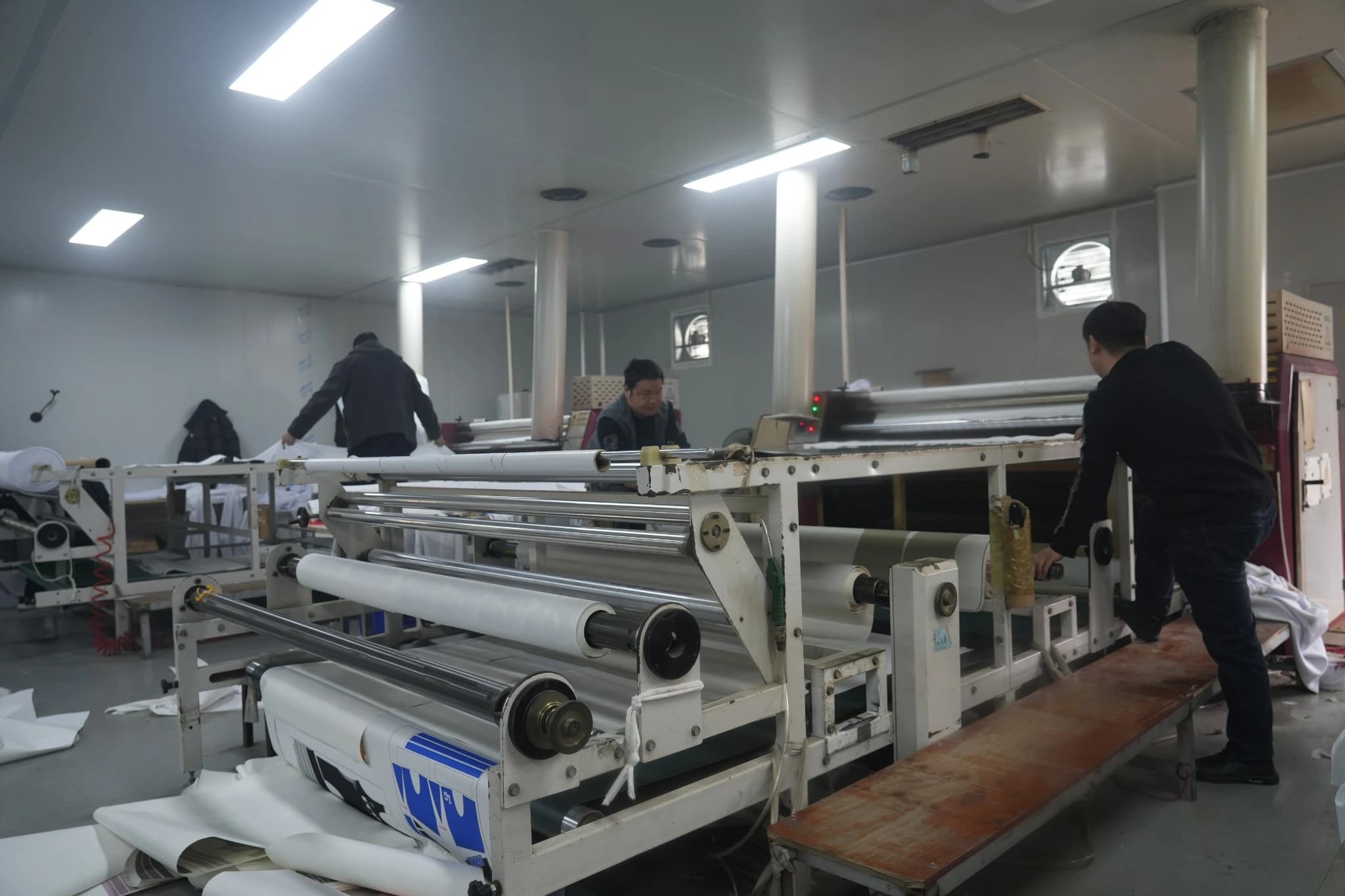
03 / TRANSFER TO POLYESTER
Bring the design from paper into the fabric
The printed paper and suitable polyester fabric pass through the separate roller heat-transfer stage. Heat transfers the dye into the polyester fibers.
Review color, clarity and fabric appearance on the transferred material.
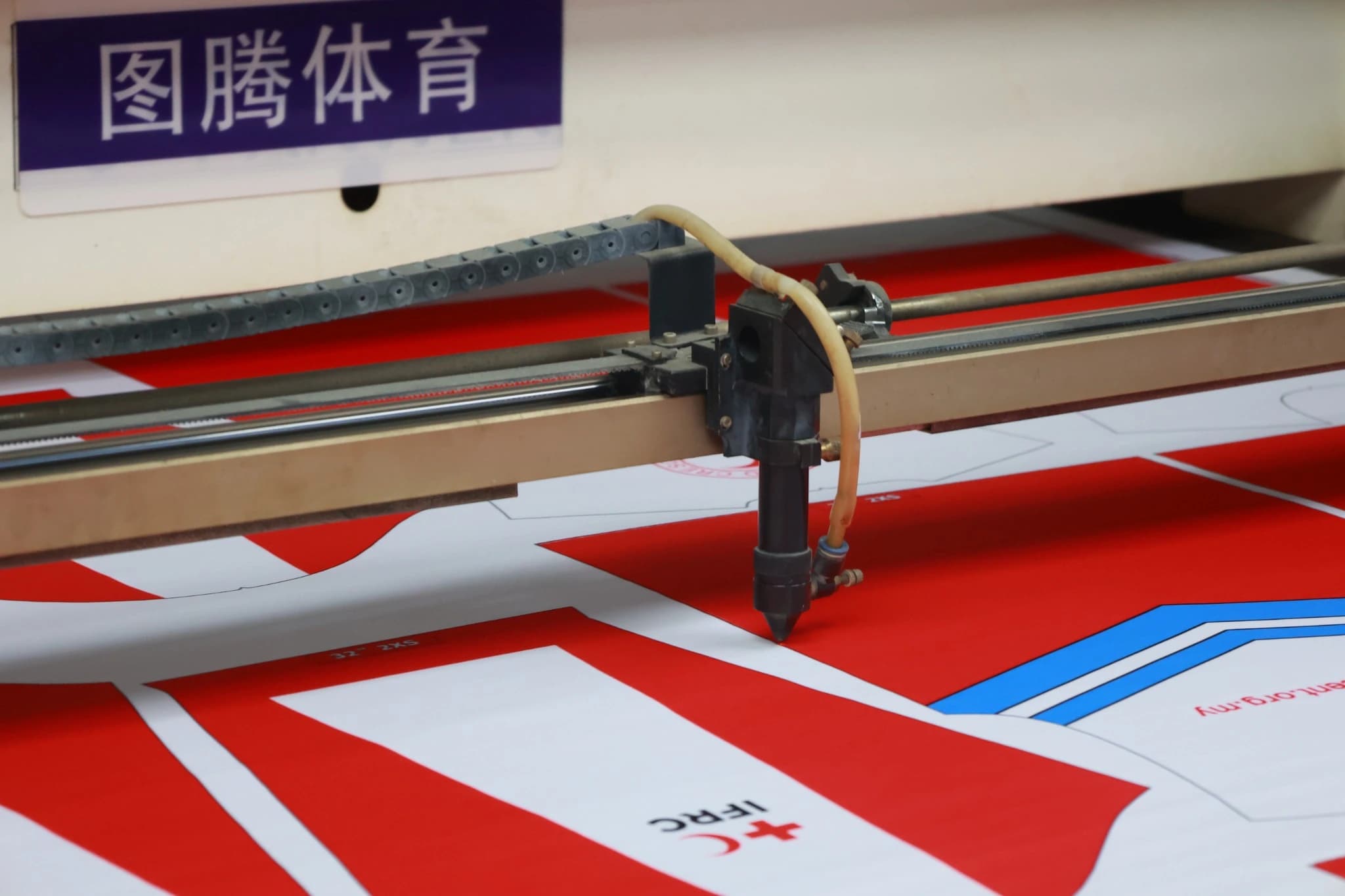
04–05 / CUT, SEW & REVIEW
Keep the right panels with the right order
Cut the transferred fabric into garment components and match panels by order, size and personalization before sewing.
Review the finished garment against the approved specification, roster and packing requirements.
See the complete factory workflow →Approve color on the transferred fabric
The printed paper is an intermediate output. Screen colors and paper appearance are not the final garment approval reference. Review the design after transfer onto the selected fabric, then check the relevant garment sample.
04 / APPLICATIONS & PERSONALIZATION
Built for complex artwork and individual team identities
Digital artwork can change between pieces, supporting all-over designs, gradients and personalized teamwear without making a separate printing screen for every color.
Team & event apparel
Football and soccer kits, basketball uniforms, American football apparel, school teamwear, supporter jerseys and event clothing.
Performance sportswear
Cycling, running and training apparel, sports sets, leggings and other styles where the selected polyester material and garment construction suit sublimation.
Samples & custom runs
Develop complex prints and test personalized designs before bulk production. Confirm the complete garment MOQ, sample plan and timing for your project.
ONE TEAM · INDIVIDUAL DETAILS
What can change from garment to garment?
Player names · numbers · team crests · sponsor logos · approved color combinations.
Size and fit are confirmed through garment patterns and the order allocation. A different cut or silhouette needs its own development review.
Material suitability comes first: confirm polyester content, fabric color, stretch, heat tolerance and the final transferred result. Do not assume this paper-transfer route is suitable for untreated cotton or every fabric blend.
05 / QUALITY REVIEW
The details to confirm before a print becomes an order
Use the approved artwork and sample as the reference. The following points form a practical review checklist to agree with the production team.
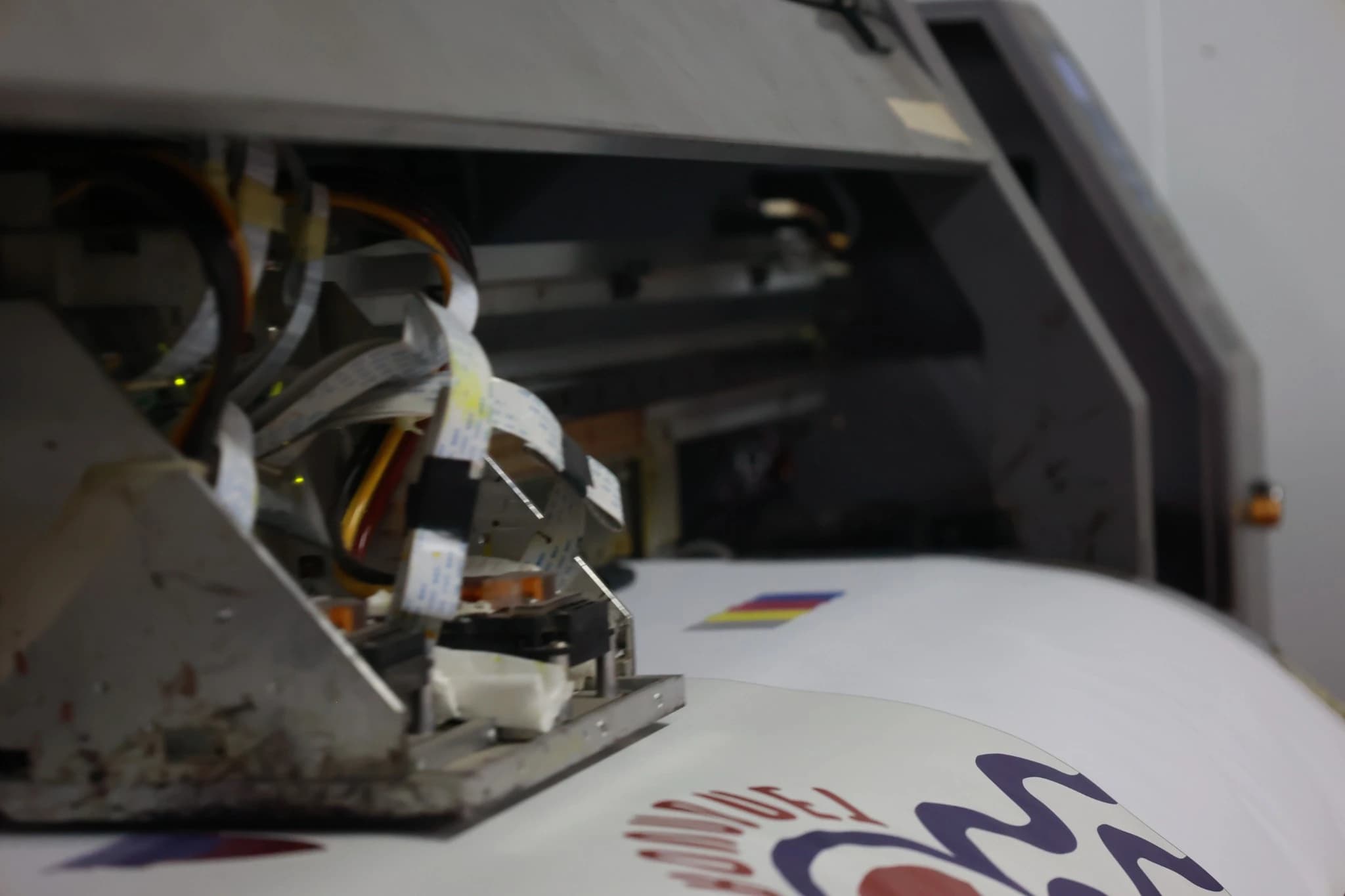
ARTWORK → PAPER → FABRIC → GARMENT
Follow the result through each stage
Start with the correct artwork and personalization list. Review the printed output, then the transferred fabric, and finally the assembled garment.
The checklist below helps align the review with your approved sample.
| Stage | Review focus | Why it matters |
|---|---|---|
| Artwork & roster | Version, spelling, numbers, sponsor logos, sizes and panel placement. | A clearly printed design still needs to match the correct person and order. |
| Paper output | Visible banding, missing image areas, sharpness, alignment and consistent feed. | Identify print defects before the separate transfer stage. |
| Transferred fabric | Color against the approved sample, image clarity, ghosting, fabric appearance and distortion. | The transferred fabric shows the result the garment will carry. |
| Cutting & assembly | Panel identity, print position, size matching and joins across the garment. | Keep the artwork and personalization aligned through sewing. |
| Finished garment | Appearance, measurements, roster counts, labels and required performance tests. | Review the complete product before packing and dispatch. |
Soft feel and durability depend on the complete process
With a suitable polyester fabric and correctly matched process, sublimation dye enters the fibers rather than creating a separate surface film. This can preserve the fabric’s feel without a film layer that peels or cracks.
Wash fastness, rubbing fastness and color retention depend on the fabric, ink, transfer conditions and garment care. Agree any test method and acceptance criteria before production; no universal wash-cycle or fastness rating is claimed here.
06 / BUYER PREPARATION
What to send for a custom sublimation project
Artwork & personalization
- Design files or clear visual references.
- Logo files, sponsor marks and placement instructions.
- Color targets or an existing physical reference.
- Final names and numbers, matched to garment sizes.
Garment & delivery brief
- Product type, intended activity and fabric direction.
- Fit or pattern references and quantities by size.
- Destination and requested delivery date.
- Sample approval and any testing requirements.
Final artwork is not required for the first discussion. Before bulk printing, confirm the final artwork version and personalization list, plus the relevant transferred-fabric or garment sample.
PRINTING FAQ
Questions buyers ask
What does TONTON’s digital sublimation printer do?
Our in-house industrial roll-to-roll printer prints full-color sportswear artwork, logos, names and numbers onto sublimation transfer paper. Separate roller heat-transfer equipment then transfers that design onto suitable polyester fabric before cutting and sewing.
Is this direct-to-fabric printing?
The process described here prints onto transfer paper first. The paper-to-polyester transfer is a separate heat-transfer stage. The printer itself does not cut, sew or embroider the garment.
Can every garment have a different name or number?
Yes. The print artwork can vary by garment, including names, numbers, team crests, sponsor logos and color combinations. Confirm the final roster, spelling, sizes and artwork before output. Different fits or patterns require separate garment-development approval.
Which fabrics and products are suitable?
This route is intended for suitable polyester fabrics and polyester-based performance materials confirmed through sampling. Applications include football, basketball and American football teamwear, cycling and running apparel, training kits and other compatible custom sportswear. Do not assume every fabric blend or stretch fabric uses the same transfer settings.
Does sublimation printing peel or crack?
In a correctly matched sublimation process, dye enters the polyester fibers rather than forming a separate printed film on the surface. The result can retain a soft fabric feel without a film layer that peels or cracks. Wash and rubbing performance still depend on the fabric, ink, transfer process and care conditions; confirm any required tests on the finished sample.
Is digital sublimation suitable for samples and small orders?
Digital output does not require a separate screen for each printed color, making it suitable for complex artwork, sample development and personalized small runs. Garment MOQ, sample cost and timing depend on the complete product and must be confirmed with the team.
What should I send before printing starts?
Send your artwork or references, logo files, color targets, placement instructions, names and numbers, product type, fabric direction and quantities by size. Confirm the final artwork and the relevant transferred-fabric or garment sample before bulk production.